Seahorseconsulting Blogs

Secure hospitality project financing for modern hotel design and architecture

Synopsis

Transforming a visionary hospitality concept into a tangible, high-performing asset requires a sophisticated synthesis of creative hotel design and architecture and the strategic capital to fund it. Securing hospitality project financing is often the most formidable hurdle for developers in the 2026 market, but a meticulously prepared and professional feasibility report for hotel project can effectively make the deal bankable for institutional lenders. By leveraging professional hotel investment advisory, owners can present a compelling, data-backed case to banks and private equity firms, ensuring favorable debt-to-equity ratios. Furthermore, expert hotel advisory services ensure that the initial design remains highly functional for long-term hospitality and operations management, preventing “over-design” that could erode future margins. This blog discusses how to balance aesthetic luxury with the pragmatic realities of operational efficiency to ensure your project remains a profitable asset for decades to come. We explore the nuances of the capital stack, the importance of technical due diligence in design, and how specialized financial planning mitigates risks during the construction phase. In an industry where capital is the lifeblood of development, a unified approach to financing and design ensures your venture is positioned for maximum financial stability and architectural prestige.

The Critical Intersection of Design, Capital, and Operations

The success of a hotel development is anchored at the intersection of its physical aesthetic, its financial structure, and its eventual operational efficiency. Modern hotel design and architecture must go beyond mere visual appeal to incorporate a “flow” that enhances the guest experience while minimizing labor-intensive operational bottlenecks. For developers, the challenge lies in securing the necessary capital to realize this vision without over-leveraging the asset. Hospitality project financing is the catalyst that bridges this gap, provided the design is validated as a revenue-generating tool. By integrating operational insights into the earliest design phases, developers can ensure that the property is built for long-term profit rather than just short-term acclaim. 

Securing the Future: Hospitality Project Financing Strategies

Securing hospitality project financing in 2026 requires a level of transparency and data-backed confidence that was not previously demanded. Lenders now look for “green” certifications, tech-integrated infrastructure, and a clear path to Net Operating Income (NOI). Developers must navigate a complex capital stack that often includes traditional bank debt, mezzanine financing, and institutional equity. To secure the most advantageous terms, it is essential to present a financial model that accounts for the cyclical nature of the hospitality industry. A strategic financing plan ensures that the project has sufficient liquidity to survive the “ramp-up” phase and that the debt service remains manageable during low-demand periods, protecting the owner’s equity and the project’s longevity. 

The Impact of Modern Hotel Design and Architecture on ROI

In the luxury and upscale segments, hotel design and architecture serve as the primary differentiators that allow a property to command premium Average Daily Rates (ADR). However, every design choice—from the choice of façade materials to the layout of the back-of-house—has a direct impact on the return on investment. Efficient design reduces energy consumption and maintenance costs, which are the two largest non-labor expenses in a hotel. By collaborating with the best architects and interior designers, owners can create spaces that are both “Instagrammable” and highly functional. A well-designed hotel minimizes the steps a staff member must take to serve a guest, directly improving labor productivity and the bottom line. 

Why a Feasibility Report for Hotel Project is Essential

A feasibility report for hotel project is the non-negotiable prerequisite for any successful development. This report objectively analyzes whether the proposed market can support the project’s scale and the cost of the intended design. It provides the “proof of concept” that financial institutions require before approving any hospitality project financing. The report covers market demand drivers, competitive supply, and projected five-to-ten-year cash flow statements. By identifying the project’s “break-even” occupancy and ADR, it serves as a risk-mitigation tool that prevents developers from building a product that is either too large for the market or too under-specified to compete effectively. 

Navigating the Market with Hotel Investment Advisory

A professional hotel investment advisory serves as the developer’s financial navigator throughout the project lifecycle. These advisors help in selecting the right lenders and investors whose risk profiles match the project’s specific needs. They assist in the “capital raising” phase, ensuring that the project is presented in the most professional and bankable light. Investment advisory also involves a rigorous sensitivity analysis, showing how changes in construction costs or interest rates will affect the final IRR. By providing a cold-eyed, objective view of the financial landscape, advisors help developers make the tough decisions about where to spend and where to save, ensuring the project remains financially viable from ground-breaking to grand opening. 

Strategic Oversight through Professional Hotel Advisory Services

Expert hotel advisory services provide the strategic glue that binds the various consultants—architects, engineers, and financial planners—together. Their role is to ensure that the project’s vision remains consistent and that no one department’s goals undermine the property’s eventual profitability. For example, they ensure that the creative vision of the architects doesn’t compromise the hospitality and operations management efficiency required for a high-margin business. Advisors conduct regular “value engineering” sessions, where design elements are reviewed for their cost-to-benefit ratio. This high-level oversight ensures that the property is built to international standards, ready to attract global brand partners and sophisticated travelers alike. 

Why SeaHorse Hospitality Consulting is Your Development Partner

SeaHorse Hospitality Consulting is recognized as a leader because we understand that development is a high-stakes financial game where precision is paramount. We don’t just provide reports; we provide a bridge to capital through our extensive network of lenders and investors. Our team has a deep background in hospitality project financing and has successfully facilitated the architectural launch of over 75 projects. We are the trusted partners for developers who want to ensure their hotel design and architecture is backed by a robust, bankable feasibility report for hotel project. Our commitment to integrity and innovation ensures that your project is not just a building, but a sustainable and profitable hospitality brand. 

Our Comprehensive Financial and Design Advisory Frameworks

Our development suite offers end-to-end support for owners and developers looking to break ground in a competitive market. We provide specialized hotel investment advisory that covers capital raising, debt restructuring, and IPO readiness. As a premier provider of hotel advisory services, we oversee the technical due diligence of your project, ensuring that every design choice supports hospitality and operations management excellence. Our frameworks for hospitality project financing are designed to minimize risk and maximize owner returns. Partner with SeaHorse to ensure your next project is an architectural landmark built on a foundation of absolute financial strength and operational foresight. 

FAQs

A feasibility report for hotel project helps in securing better financing by providing an objective, third-party validation of the project’s profitability. Lenders are inherently risk-averse; they need to see that the projected revenue from rooms, F&B, and events is supported by actual market data and competitive benchmarks. A professional report demonstrates that the developer has accounted for market volatility and has a clear plan for debt repayment. By presenting a “bankable” case that proves a high Debt Service Coverage Ratio (DSCR), developers can often negotiate lower interest rates, longer grace periods, and higher loan-to-value (LTV) ratios, significantly reducing their overall cost of capital.
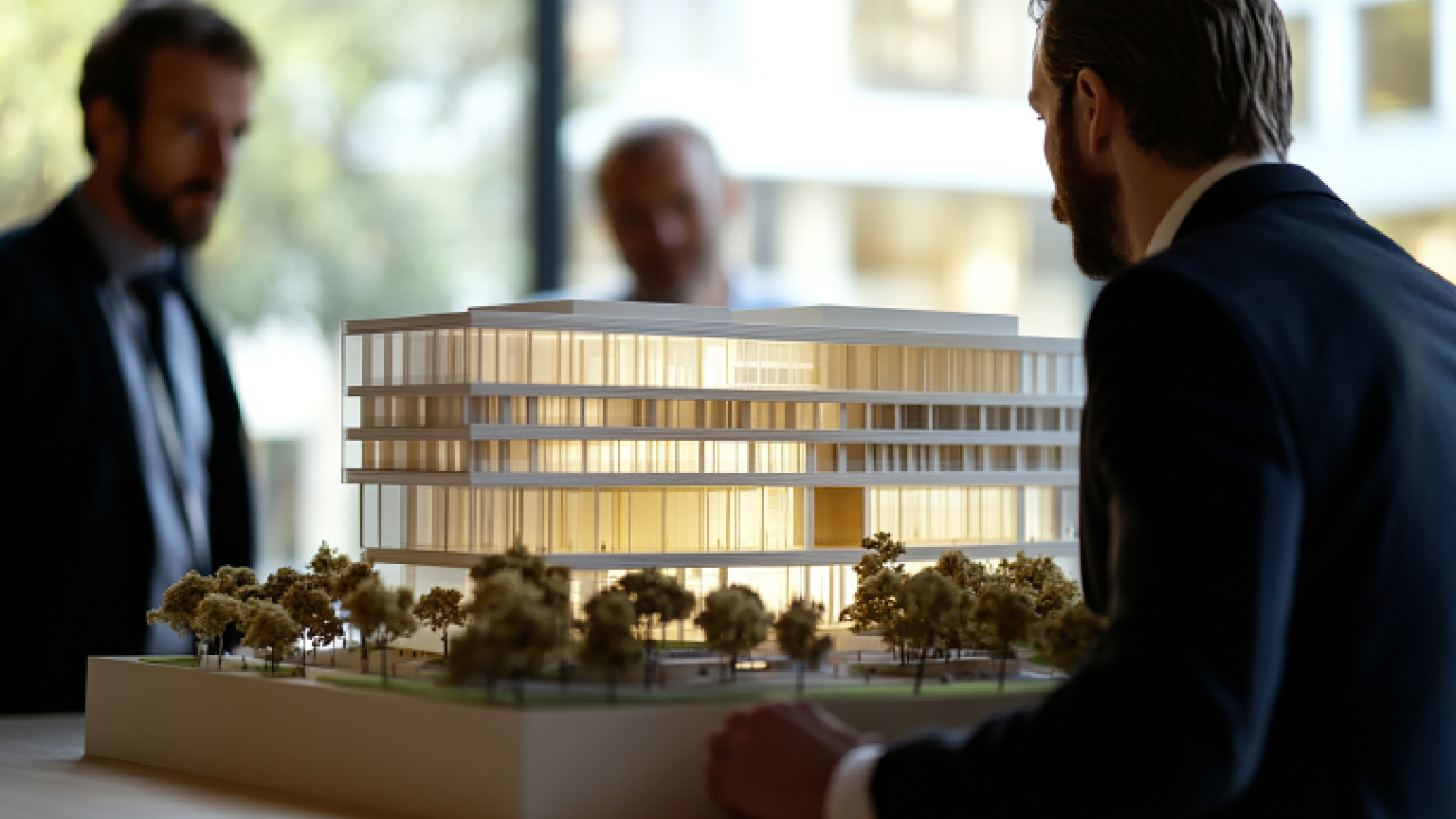
In 2026, the primary trends in hotel design and architecture focus on sustainability, biophilic elements, and hyper-functionality. Designs are incorporating carbon-neutral materials and renewable energy sources like integrated solar glass to reduce long-term operational costs. There is also a shift toward “modular” designs that allow public spaces to be easily reconfigured for different uses, such as a co-working space by day and a social lounge by night. From a technology standpoint, designs are becoming “contactless” and “smart,” with rooms featuring IoT systems that adjust lighting and climate based on guest preferences, all of which enhance the guest experience while providing valuable data for hospitality and operations management.

During the construction phase, hotel investment advisory acts as a financial guardian, ensuring that the project stays on budget and on schedule. Advisors monitor “drawdowns” from lenders to ensure they align with actual construction milestones. They help in managing “scope creep,” where small changes in design can lead to massive cost overruns if not checked against the original financial model. By performing regular “value engineering” audits, advisors can suggest cost-saving alternatives for materials or equipment that do not compromise the brand standards. Their goal is to ensure that the project reaches its grand opening without depleting its contingency funds, preserving the developer’s equity.

Operational efficiency is critical because it dictates the property’s long-term labor costs and service speed. If hotel design and architecture do not account for the “steps” a staff member must take—such as the distance between the kitchen and the dining area or the accessibility of the laundry to guest elevators—the hotel will require a higher staff-to-guest ratio to maintain luxury standards. This permanently increases the fixed operating costs of the hotel. Efficient architecture ensures that the back-of-house “lungs” of the hotel can support the front-of-house “face” without friction. A property designed with hospitality and operations management in mind will always be more profitable and easier to manage than one built purely for aesthetics.

Hotel advisory services play a crucial role by vetting architects based on their specific experience in the hospitality sector. Designing a hotel is fundamentally different from designing a residential or commercial building due to the complex plumbing, HVAC, and service requirements. Advisors help owners select a firm that understands “Brand Standards” and knows how to design within the specific constraints of a feasibility report for hotel project. They facilitate the “briefing” process, ensuring the architect understands the target demographic and the revenue-generating requirements of each space. This oversight ensures that the creative vision of the architect is always balanced with the developer’s commercial objectives.

Author

  • Founder & CEO, SeaHorse Hospitality Consulting
    Sandeep Roy brings extensive experience in hospitality acquisition management to his role as CEO of SeaHorse Hospitality Consulting after three decades in hotel operations and brand partnerships and strategic growth initiatives. He has executed operator searches and rebranding mandates which included Management Contracts for a 75-room hotel in Satara and the Pride Elite transformation of Jakson Inn in Maharashtra. Sandeep connects owner’s vision to brand ambitions using his ability to merge operational expertise with financial knowledge. Under his leadership SeaHorse Hospitality Consulting received the TravTour award for "Best Hotel Consulting Company" in India during 2024. He actively promotes cultural integration after mergers by ensuring service values and SOPs match for smooth transitions. Through his 32,000 LinkedIn followers Sandeep shares expert knowledge about revenue optimization and brand partnerships and merger best practices which solidifies his position as a trusted thought leader in Indian hospitality.